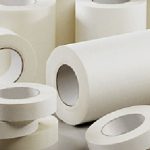

People make their buying decisions based on a number of different motivations. If you can discover what makes a buyer tick, you can craft your sales proposal to satisfy his particular needs. This makes all the difference when you are in a highly competitive situation. When you are wearing your sales hat, a big part […] Read more »
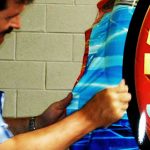
Application Temperature Range

To avoid problems with vinyl or any other pressure-sensitive material, carefully read the vinyl manufacturer’s technical data sheet. Product bulletins will usually contain all of the information you need, including application temperature range. The application temperature range for most vinyl films is usually between 50⁰ and 90⁰F (10⁰ to 32⁰ C). For some films, the minimum application temperature […] Read more »
Avoiding Application Tape Problems

For many indoor applications, you can generally leave most paper application tapes on vinyl graphics for a year or longer, provided that the graphics are stored away from sunlight in moderate temperatures. Read more »
Why Install Graphics in a Relaxed State
Years ago professional decal installers were taught to install vinyl graphics in a relaxed state without stretching the film. While vinyl films today are much more robust and can withstand the stresses encountered when wrapping a vehicle, you are much less likely to experience film failure, if you adhere to some of the old rules. […] Read more »
Applying Vinyl Graphics to Painted Wood
In this story Jim Hingst explains the rules for successfully applying vinyl graphics to painted wood. Read more »
Why Paint and Pigments Degrade

Paint and pigment selection is extremely important for the serious artists because the colors used in the works of art are subject to degradation. Some of the great works of artists, such as Vincent van Gogh, are either fading, flaking, cracking, chalking or darkening. Read more »
Puff, the Magic Inflatable Heat Transfer Film

Textile screen printers have used plastisol puff inks for years. These inks contain a special additive that causes the ink to expand after it is exposed to heat. RTape/SEF FlexCut Sweet Puff films work in much the same way. Read more »
Caring for Garments with Heat Transfers

Garments decorated with heat transfers will withstand washing and drying twenty times and more, if they are cared for properly. Jim Hingst reviews the right way to wash, dry and iron garments decorated with heat transfers. Read more »
The Trouble with Shrinking Shirts

What can you do to prevent wrinkled heat transfer appliques? Possible solutions include buying pre-shrunk tee-shirts or pre-pressing garments prior to heat pressing an applique. Read more »
Stretching Garments Prior to Heat Pressing

Some screen printers, who print directly onto t-shirts or who print plastisol heat transfers, will stretch the garment before printing or heat pressing. By doing this, the weave of the shirt opens up allowing the ink to better penetrate the fibers of the fabric. This practice is believed to prevent cracking of the ink. Read more »