
What can you do to prevent wrinkled heat transfer appliques? Possible solutions include buying pre-shrunk tee-shirts or pre-pressing garments prior to heat pressing an applique. Read more »
734-668-0755

What can you do to prevent wrinkled heat transfer appliques? Possible solutions include buying pre-shrunk tee-shirts or pre-pressing garments prior to heat pressing an applique. Read more »
Some screen printers, who print directly onto t-shirts or who print plastisol heat transfers, will stretch the garment before printing or heat pressing. By doing this, the weave of the shirt opens up allowing the ink to better penetrate the fibers of the fabric. This practice is believed to prevent cracking of the ink. Read more »
Troubleshooting Checklist If you are having problems cutting polyurethane heat transfer films, check the following possible causes: Read more »
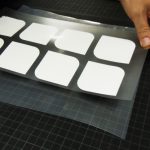
To help you in working with application tape, I have compiled some tips and tricks. This guide covers laminating the tape onto graphics, transferring graphics from the release liner and the basics of application. As important as this is, it’s also important to select the right tape for the job. RTape offers several adhesive-tack levels for […] Read more »

Getting good adhesion to painted wall surfaces has been a problem for sign makers and the manufacturers of vinyl films. Flat finish paints are especially a problem. To help your customer avoid the pitfalls that result in vinyl graphics falling off the wall, here are some guidelines to follow before beginning a wall graphics installation. Read more »
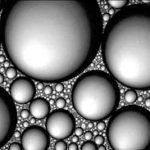
Have you ever seen the effects of outgassing paint on applied vinyl graphics? It’s not pretty. When the problem starts, it looks as if the surface of the film has had a breakout of severe acne. Tiny bubbles underneath the film grow until they merge together forming larger, more ominous bubbles. Read more »
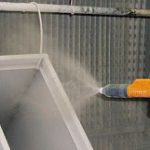
Painting over a powder coated metal surface can be frustrating because it is difficult for new paint to stick to the old coating. Most paint will not stick to slick surfaces. Special preparation and compatible primers are required for success. Read more »
How Pigments and Dyes Differ What is the difference between pigments and dyes? The easy answer is that dyes are soluble, while pigments are insoluble. So much for easy answers! When we scratch beneath the surface, differences between these two classes of colorants are much more complex. Read more »
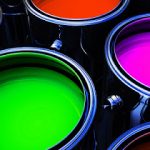
Paints are comprised of two basic components: a binder (or resin) and a colorant (either a dye or pigment). Paint can also include a solvent, which alters its viscosity. The combination of the binder or resin with a solvent is sometimes referred to as the vehicle. In addition, paints can also include a variety of […] Read more »

Advancements in digital print technology and the introduction of top coated fabric have allowed printers to expand their product offerings to include fabric banners. These technological advancements include: the ability of the machinery to feed and process heavier weight materials; improved compatibility of the inks with fabrics; and higher print quality. Read more »


